


Nothing has taken the tech world by storm more than Artificial Intelligence (AI) in recent years. From the explosion of AI image generators to the sudden rise of OpenAI’s generative AI chatbot ChatGPT, AI technologies have hit the mainstream and experts say they’re here to stay.
After years of only existing in the realms of science fiction and visions of tech developers, the anticipation around AI is now finally approaching a period of mania.
The global AI market is expected to surpass the trillion mark by 2032, and huge tech firms have already begun fighting to control one of the most promising markets of this new age of technology.

Where did AI come from?
The emergence of AI as a concept started with ancient myths and legends, with philosophers like Aristotle and Descartes pondering the possibility of creating artificial beings.
Then, in the 1940s, scientists like Alan Turing and John von Neumann began to develop the first computers. These machines could perform complex calculations, and some people wondered if they could also think like humans.
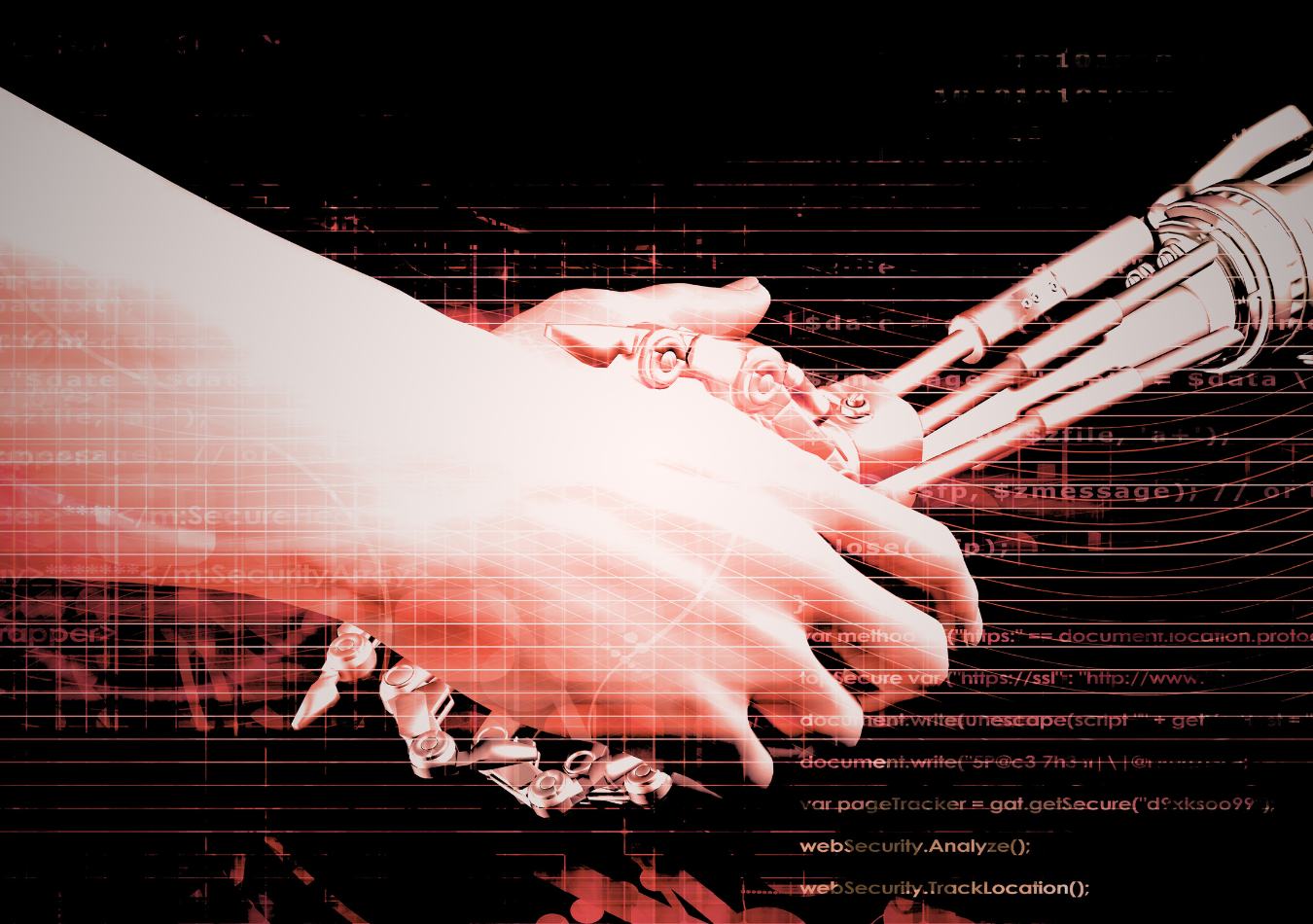
In the following decades, AI researchers made significant progress. They developed programs that could play games like chess and checkers, and others that could understand and respond to natural language.
Today, AI is everywhere. It's used in everything from self-driving cars to virtual assistants. As AI continues to evolve, it's becoming more and more capable of doing things that were once thought to be impossible for machines.
Biggest AI Breakthroughs
Although AI’s recent emergence has been swift, to believe that AI was born with the sudden surge in the popularity of AI technologies would be a great mistake.
In fact, AI software’s evolution can be traced back to several centuries of technological, scientific, and philosophical breakthroughs.
In this list, we’re counting down ten of the biggest AI breakthroughs in history, delving deep into how the technology has become what it is today.


Comments ( 0 )